
A Metabolic Revolution
Collaboration fuels discovery in the U’s Center for Metabolic Health.
By: Maureen Harmon
Photo: Braxton Wilhelmsen
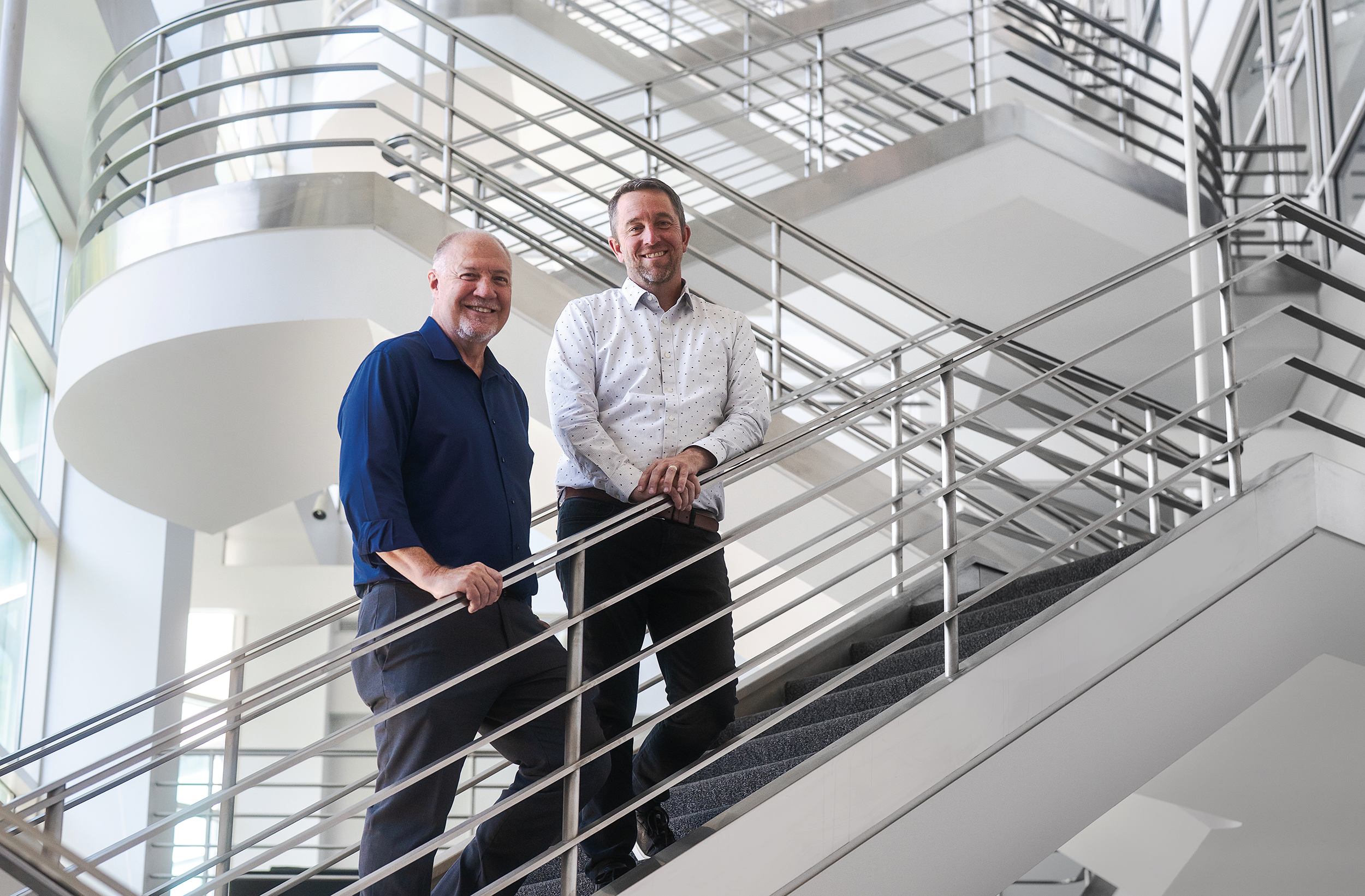
Scott Summers, PhD, and Jared Rutter, PhD, lead the Utah Center for Metabolic Health.
When the University of Utah officially launched the Center for Metabolic Health, it formalized something that had been in the works for years: a bold effort to make metabolism the lens through which nearly every disease can be understood, prevented, and treated.
“Metabolism is the process that converts everything we eat into all the molecules and energy our bodies need,” says Scott Summers, PhD, distinguished professor and chair of the Department of Nutrition and Integrative Physiology at the University of Utah, the co-director of the Diabetes and Metabolism Research Center, and the William J. Rutter Presidential Endowed Chair of Biochemistry. “That process gets disrupted in almost every disease. Now we can measure those changes in ways we never could before. This is the next biomedical frontier.”
With more than 170 scientists and a track record of discovery that has already spawned new companies and clinical trials, the center has positioned Utah as a global leader in metabolic research. But what truly sets the center apart is its refusal to work in silos. Instead of clustering around diseases—cancer researchers here, diabetes specialists there—Utah’s scientists are intentionally breaking down barriers.
“Academic medicine has traditionally been organized around diseases,” explains Jared Rutter, PhD, distinguished professor of biochemistry. “We’re trying to do something different: create a collaborative model that crosses diseases and disciplines. Because metabolism touches everything, we all have something to learn from each other.”
Rutter’s own lab illustrates this practice. Several years ago, his postdoctoral fellow Kevin Hicks developed a methodology called MIDAS—an acronym for Metabolic Interrogation through Discovery of Active Signaling. The tool allows scientists to map how shifts in metabolism lead directly to changes in physiology, disease risk, and overall metabolic health.
“It started as a fundamental question: how does a cell know its metabolism has changed?” Rutter says. “With MIDAS, we finally had a systematic way to screen for that language of metabolism.”
The MIDAS platform quickly proved effective in uncovering new disease mechanisms. It was so promising that Rutter and colleagues spun it into a biotech company, Atavistic Bio, now headquartered in Cambridge, Massachusetts. Atavistic already has a cancer drug in clinical trials, with additional programs in the pipeline.
“That’s the exciting part,” Rutter says. “You start by trying to understand how biology works. But when the science is strong enough, you can take that knowledge and translate it into therapies that help patients.”

The Pezzolesi research team conducts hands-on laboratory work.
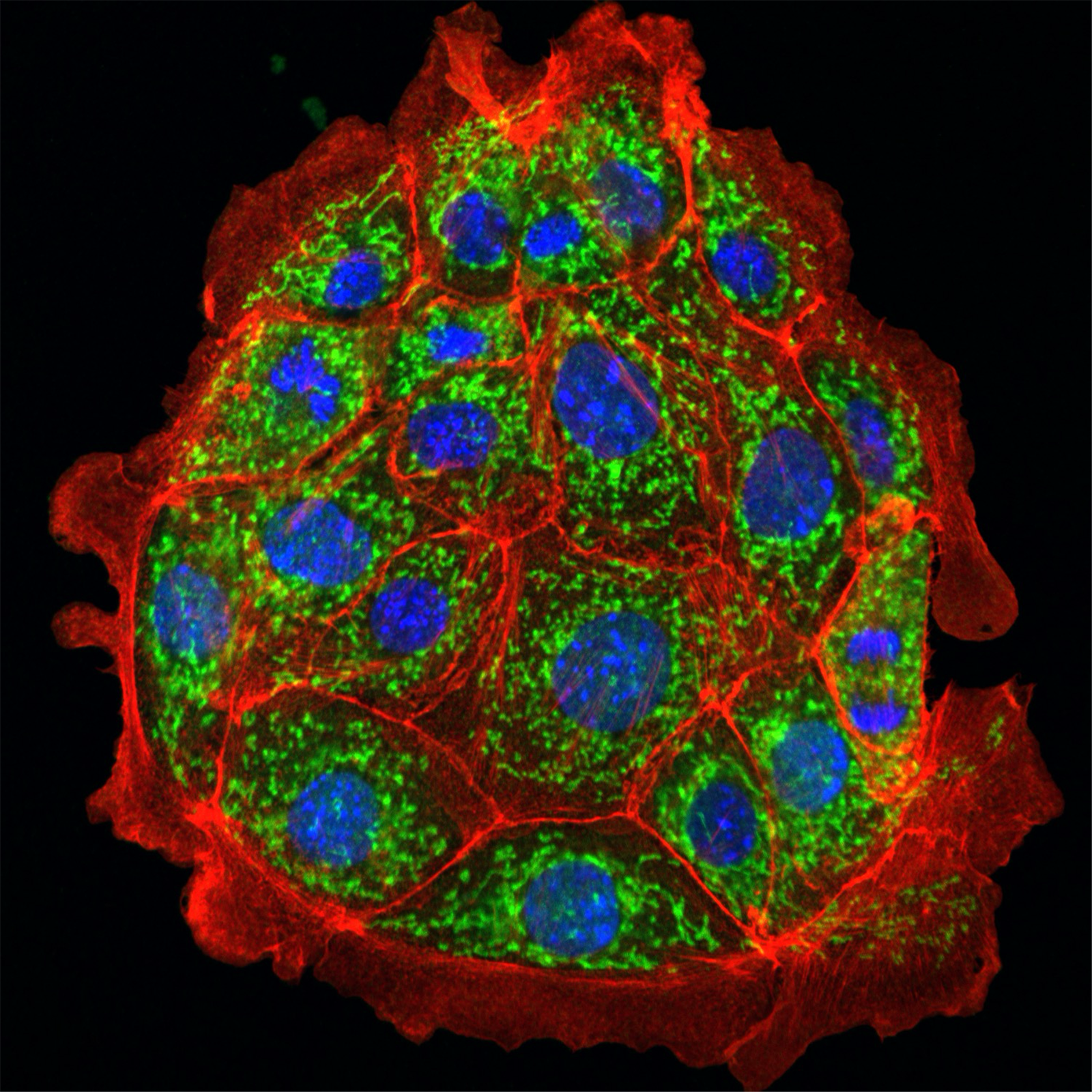
Fluorescent micrograph of the proximal tubule.
CERAMIDES: THE FAT MOLECULES THAT MATTER
While Rutter’s team deciphers metabolic “language,” Summers has built his career on a once-overlooked family of fat molecules known as ceramides.
For decades, ceramides were considered relatively unimportant byproducts of fat metabolism. But Summers wasn’t convinced. Early experiments in his lab showed that when ceramide pathways were disrupted in mice, the animals were strikingly protected from conditions like diabetes, fatty liver disease, heart failure, and kidney disease.
“All of a sudden, it was clear these molecules weren’t minor players,” Summers recalls. “They were causal drivers of some of the most common diseases we face.”
Ceramide levels in humans turned out to be strong predictors of cardiac events, leading to the development of a diagnostic blood test now used clinically. Summers and his collaborators went further, launching a biotech company that has developed a first-in-class drug that targets ceramide synthesis—now in clinical trials.
For Summers, the lesson is clear: “Sometimes the molecules that seem least abundant end up being the most important. Ceramides may prove to be one of the biggest keys to understanding—and preventing—metabolic disease.”
The success of both Rutter and Summers underscores another hallmark of the center: a culture that embraces commercialization as part of the academic mission.
“Years ago, if professors wanted to start companies, they did it quietly,” Summers admits. “Now, at the U, it’s considered part of our job. We’re encouraged to engage with the private sector, not shy away from it.”
That shift has been crucial. The center has spun out six companies to date, with more on the way. By pairing Utah’s basic science strengths with the resources of industry, discoveries move faster from the lab bench to the clinic. “Academic researchers are good at one thing, drug companies at another,” Rutter says. “When you bring them together, you accelerate translation.”
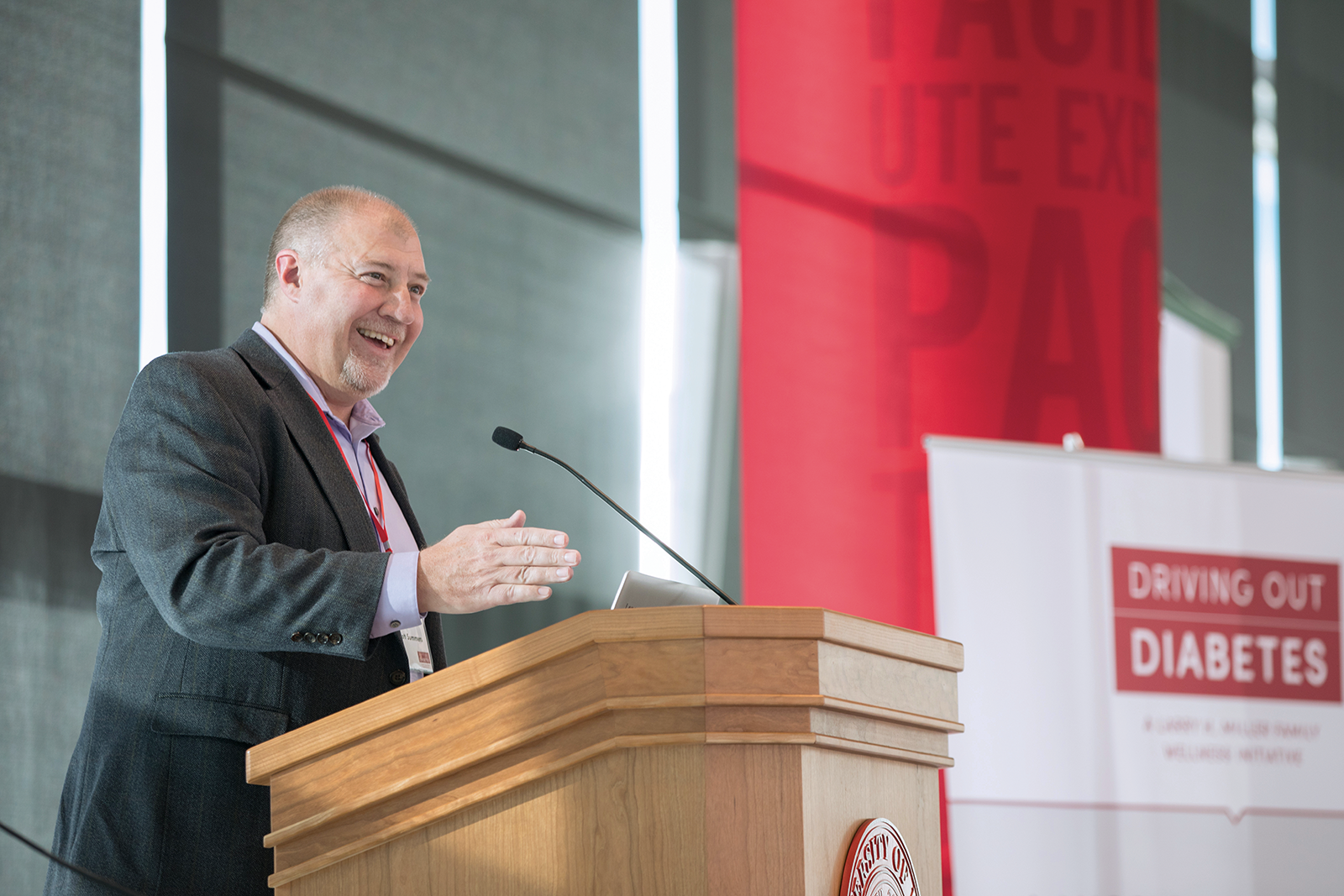
Summers presents at the Driving Out Diabetes retreat.
“You start by trying to understand how biology works. But when the science is strong enough, you can take that knowledge and translate it into therapies that help patients.”
Not all of the center’s work takes place in test tubes or clinical trials. Through programs like Driving Out Diabetes, Utah researchers bring prevention strategies directly into schools, homeless shelters, and community clinics. Health coaches are embedded in practices. Children and families learn practical tools for nutrition and exercise. And importantly, all of these interventions are studied rigorously to ensure they work—and can scale.
Training the next generation is also a priority. Under-graduate summer research programs welcome students from historically Black colleges and universities, Pacific Islander communities, Native American tribes, and rural Utah—groups often underrepresented in biomedical research but disproportionately affected by metabolic disease. “It broadens participation in science and improves the research itself,” Summers says.
Both scientists see growth ahead: more top researchers recruited, more companies launched, and perhaps even a dedicated physical Metabolic Health Clinic where dietitians, physicians, exercise specialists, and behavioral health experts work side by side to prevent and treat disease.
“Our vision is to build metabolic resilience,” Summers says. “That means preventing disease before it starts, but also treating it more effectively when it does. And it all rests on the foundation of discovery—on understanding how things work at the most basic level.”
Rutter agrees. “The metabolism revolution is here,” he says. “And at the U, we have the people, the tools, and the culture to lead it.”
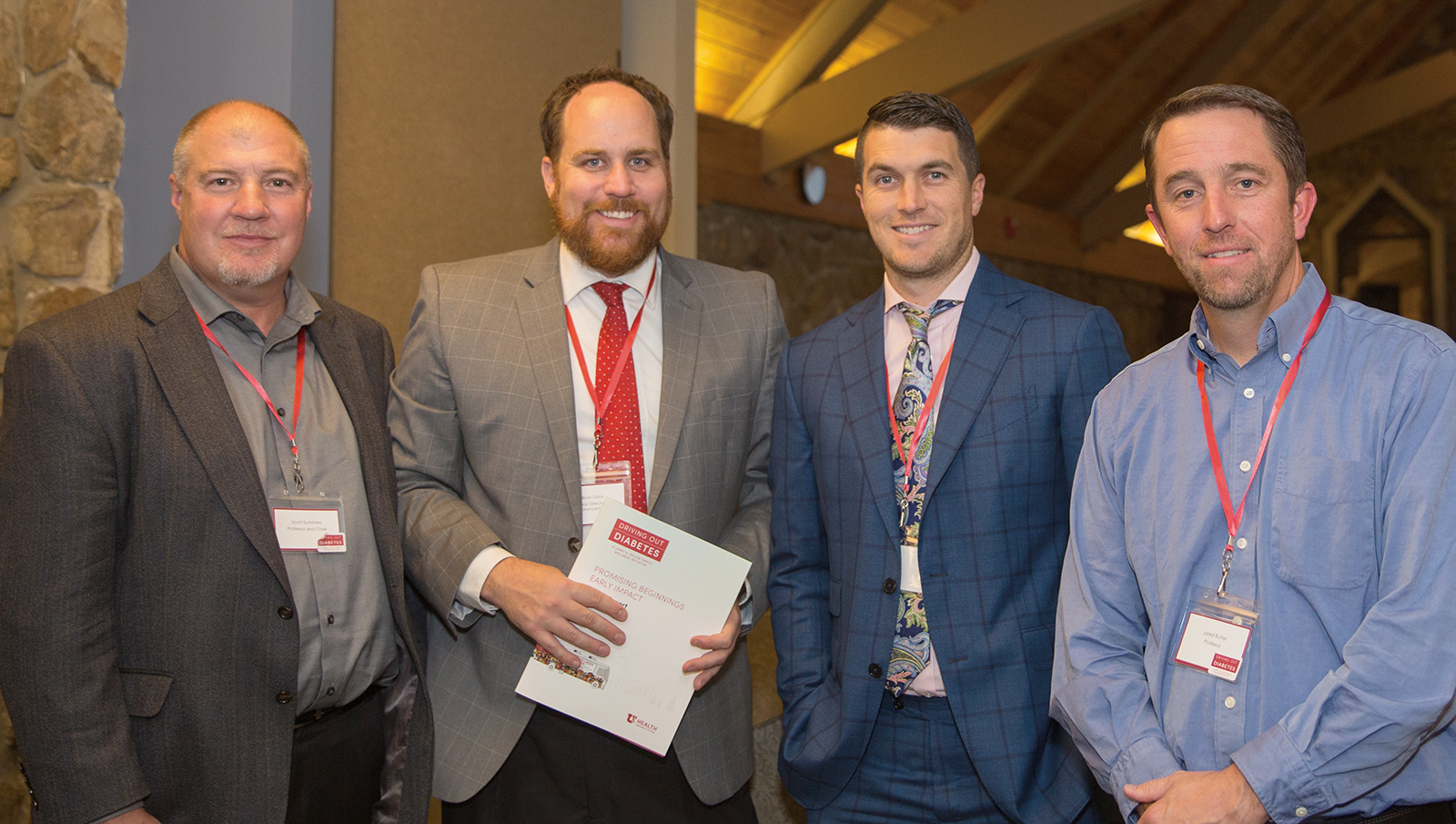
Summers, Rutter, and attendees are photographed at the Driving Out Diabetes retreat.