
Mark Sims, MD
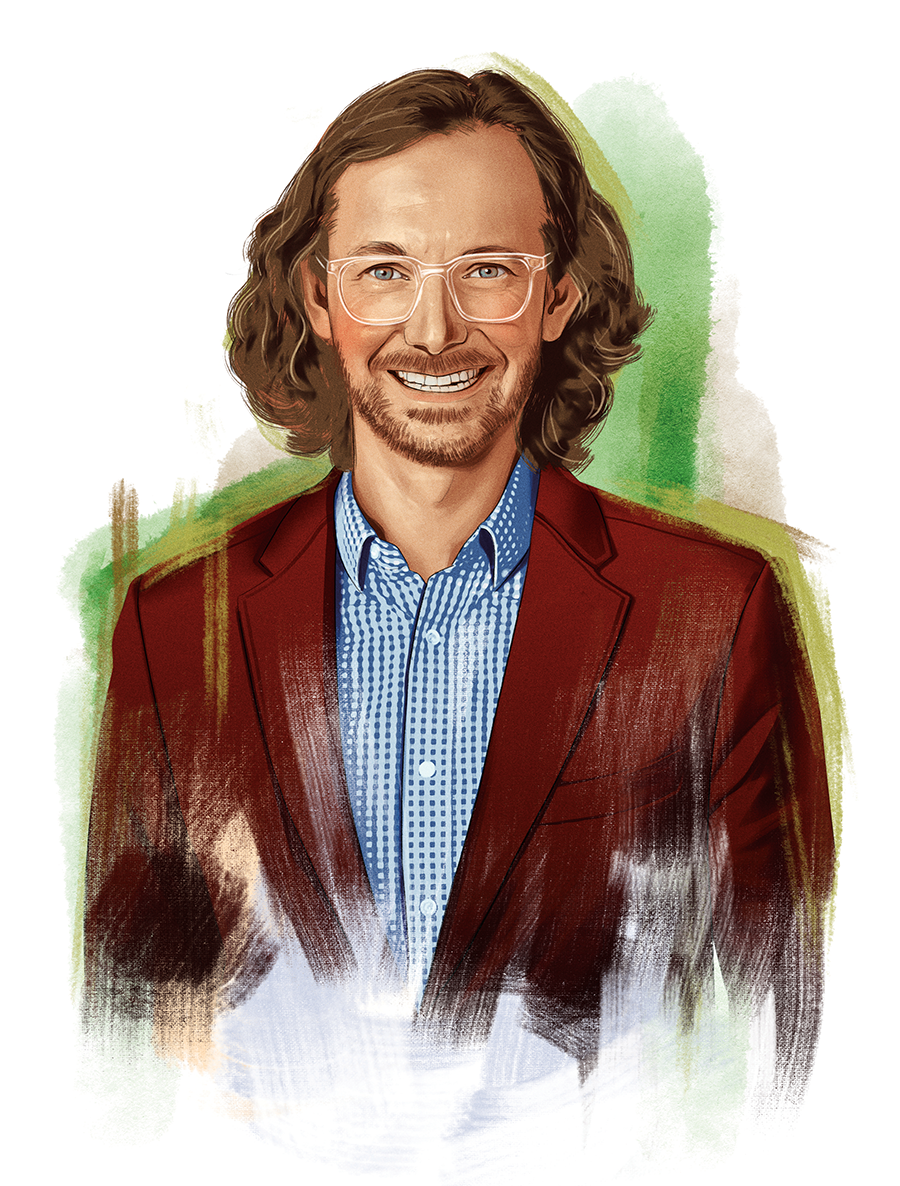
The Community Clinician Educator Award, sponsored by CompHealth
Mark Sims, MD
A partnership between CompHealth, the Spencer Fox Eccles School of Medicine Alumni Association, and the Division of Medical Education to recognize outstanding clinical preceptors within the state of Utah
For Mark Sims, MD, medicine is about more than treating an illness. It’s about respect, communication, and mentorship––values that have guided his journey as both a physician and an educator.
“What I tell residents on the first day of teaching wards is that our first and most important responsibility is to embody respect for our patients, their families, and support staff in the hospital,” he says. “Doing so allows us to practice good medicine, the kind we would want for our own loved ones.”
Born in Cheltenham, England, and raised throughout the United States, Sims attended medical school at the University of Missouri-Columbia before pursuing his residency in internal medicine and pediatrics at the University of Southern California. In 2022, Sims completed a fellowship in hospice and palliative medicine at the University of Utah and today serves as a hospitalist and palliative care provider at Intermountain Medical Center.
As this year’s Community Clinician Educator Award recipient, Sims is recognized for his contributions as the associate program director for the Internal Medicine Residency Program, as well as an adjunct faculty member in the Spencer Fox Eccles School of Medicine.
In these roles, Sims is responsible for mentoring students through residency decisions and modeling expert patient communication at the bedside.
“Mark places communication with the patient as a very high priority,” says Caroline Milne, MD, MBA ‘22, vice chair for education and program director of the Internal Medicine Training Program. “He is one of the most enthusiastic medical educators I’ve met, and his impact has been huge: mentoring, guiding, and supporting students and residents at every stage of their education.”
“What I tell residents on the first day of teaching wards is that our first and most important responsibility is to embody respect for our patients, their families, and support staff in the hospital.”
She adds that she has seen firsthand the benefit of Sims’s thoughtful and patient approach, particularly for residents in need of extra guidance and support.
“Residency can be tough, and sometimes it’s tougher on certain individuals than others,” Milne says. “But Mark has this way of lifting people up, of always trying to guide them in a path that might be right for them.”
For Sims, his educational philosophy has been shaped by the difficult experiences he endured when he was a resident, ones he’s committed to helping his own students avoid.
“I think my passion today has been informed by the frustration and burnout I experienced in residency,” he says. “I wasn’t always someone who embodied the values that I want to see in my teams now, but I feel so lucky that I learned those lessons early and was able to develop into a better educator and, really, a better person.”